
How Professional Headshots Reduce Friction in Business Part I
Part I: Sales and Recruiting
In business, friction is rarely obvious, but it’s always present. It shows up as hesitation, unanswered emails, or slow decision-making. Before a salesperson speaks or a recruiter makes first contact, a potential client or candidate has already formed an impression. Often, that impression comes from a single image.
Professional headshots play a meaningful role in reducing that friction—especially in sales and recruiting environments.
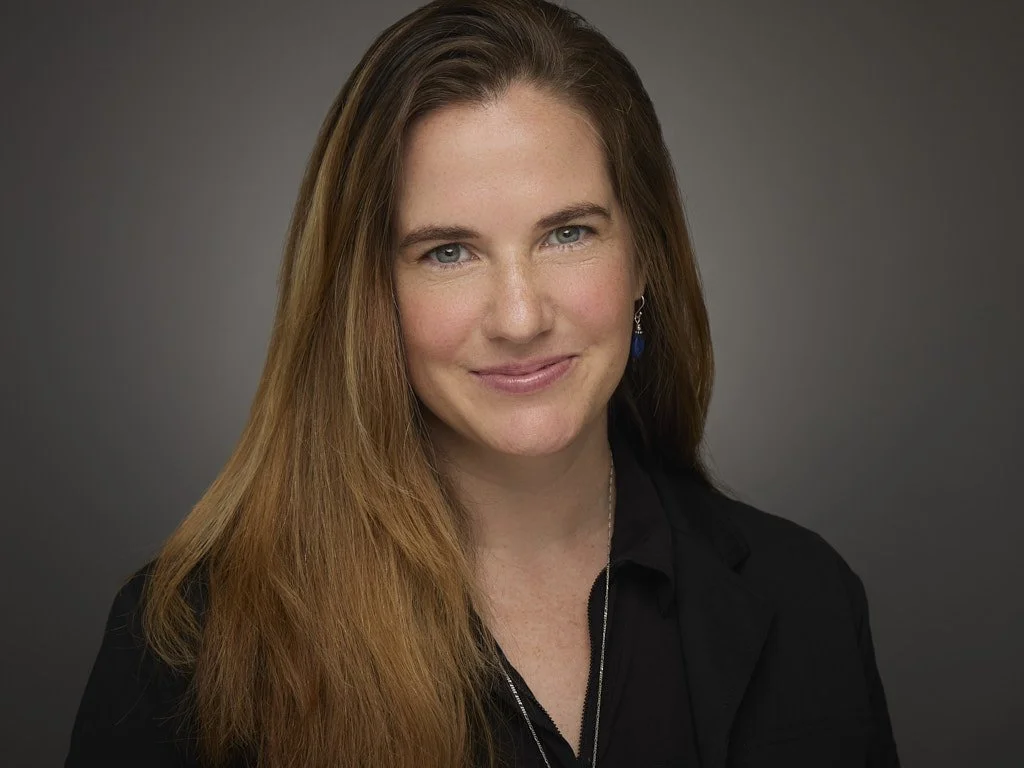
First Impressions occur without your presence, prior to meeting you in person.
That image immediately answers unspoken questions:
Is this person credible?
Do they seem established and trustworthy?
Do they represent their organization well?
When those questions are resolved quickly, conversations move forward with less resistance.
How Headshots Reduce Friction in Sales
Sales relies on trust—often before the first conversation.
A professional headshot helps by:
Humanizing outreach
People respond more readily when they can associate a real, professional face with a message or proposal.
Reducing perceived risk
Clear, well-lit headshots signal legitimacy and attention to detail, especially in B2B environments.
Reinforcing brand consistency
When sales teams share a cohesive visual presence, the organization feels stable and well-run.
Sales conversations don’t start with words—they start with confidence.
How Headshots Reduce Friction in Recruiting
Recruiting is a two-way evaluation.
Candidates look closely at:
Leadership teams
Hiring managers
Company culture cues
Professional headshots help reduce friction by:
Making teams feel approachable and real
Communicating stability and professionalism at a glance
Reinforcing that people matter inside the organization
When candidates trust what they see, engagement feels easier and more natural.
Why On-Location Headshots Matter
On-location headshots—taken during corporate meetings, conferences, or events—often outperform traditional studio portraits because:
People are already mentally prepared for professional interaction
Confidence builds after networking and participation
Expressions feel natural rather than rehearsed
Images reflect real business context
This is why many companies across regional business hubs from Charlotte to Columbia (the region KEH PHOTOS covers), use event-based headshots far longer than planned.
Coming Up in Part II
In Part II, we’ll explore how professional headshots reduce friction in partnerships, leadership visibility, and long-term brand trust—and why context matters more than perfection.
